Israeli Defence Systems
Israel's multi-layer air and missile defence architecture organized by interception domain — from space to ground level.
Reference data current as of March 2026.
Exoatmospheric Interception
100+ km altitudeIntercept above the atmosphere before warhead reentry. Eliminates the risk of debris and toxic payloads over populated areas. Requires detection at extreme range and closing velocities exceeding Mach 10.
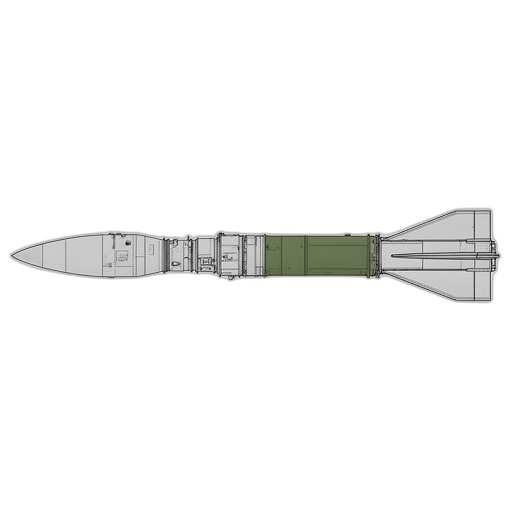
Arrow-3
- Interceptor Arrow-3 (hit-to-kill, kinetic)
- Range 100+ km
- Altitude 100+ km (intercept in space)
- Targets Long-range and intermediate ballistic missiles
- Radar Green Pine
- First combat Round 2 (Oct 2024)
THAAD
- Interceptor THAAD (hit-to-kill, kinetic)
- Range 200+ km
- Altitude 40–150 km
- Targets Short- and medium-range ballistic missiles
- Radar AN/TPY-2 (X-band)
- Deployed US Army battery in Israel since 2024
Aegis BMD
- Interceptor SM-3 (exo) / SM-6 (endo + terminal)
- Altitude Exo-atmospheric (SM-3) + endo (SM-6)
- Platform Arleigh Burke-class destroyers, Ticonderoga cruisers
- Operator US Navy
Endoatmospheric Interception
0–60 km altitudeIntercept within the atmosphere — from the upper stratosphere down to ground level. These systems handle the highest volume of engagements and form the backbone of area defence over Israeli population centres.
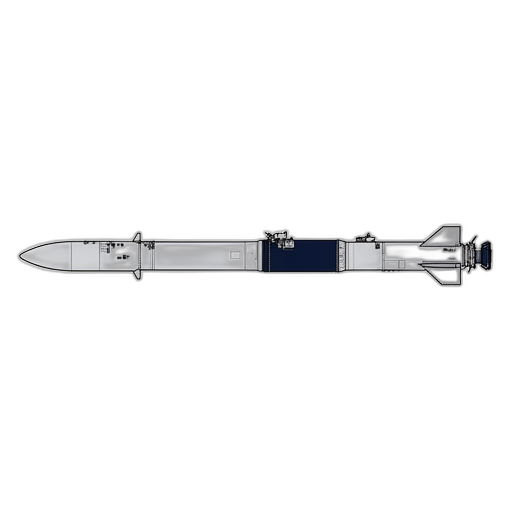
Arrow-2
- Interceptor Arrow-2 (blast-fragmentation warhead)
- Range ~90–150 km
- Altitude 40–60 km
- Targets Medium-range ballistic missiles
- Radar Green Pine (L-band)
- Operational Since 2000
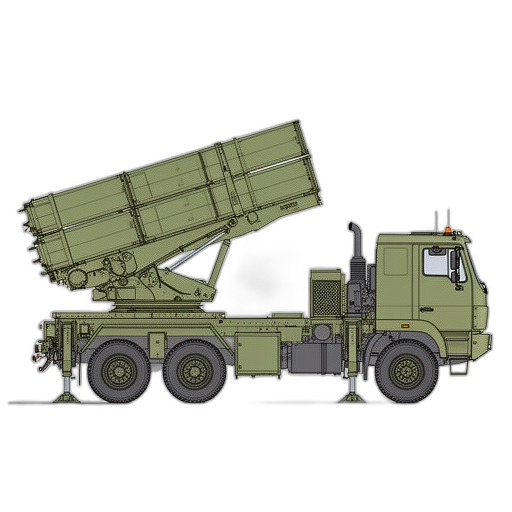
David's Sling
- Interceptor Stunner (two-stage, dual seeker: radar + electro-optical)
- Range 40–300 km
- Altitude Up to ~15 km
- Targets TBMs, cruise missiles, large rockets
- Operational Since 2017
- Partner Co-developed with Raytheon
Patriot PAC-3
- Interceptor PAC-3 MSE (hit-to-kill)
- Range ~70 km
- Altitude Up to ~24 km
- Targets TBMs, cruise missiles, aircraft
- Operators US, Saudi Arabia, UAE
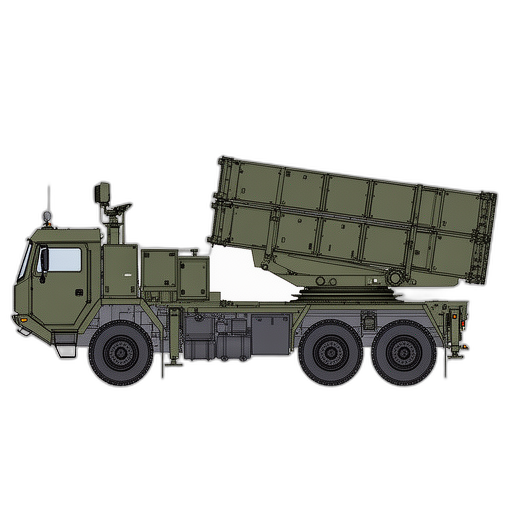
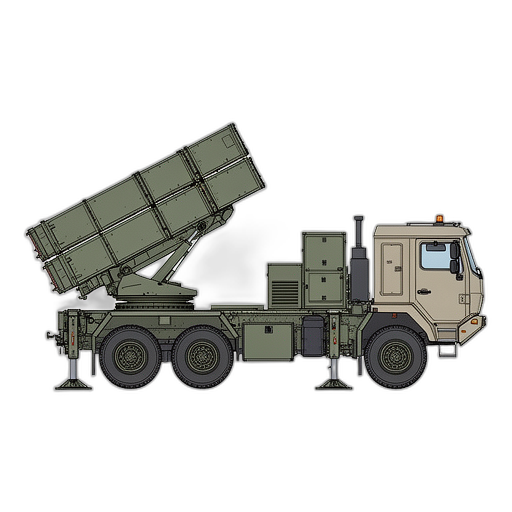
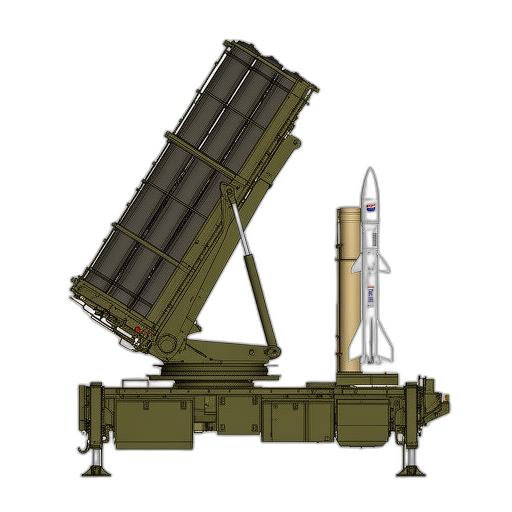
Iron Dome
- Interceptor Tamir
- Range 4–70 km
- Altitude Up to ~10 km
- Targets Rockets, artillery, mortars, cruise missiles, drones
- Batteries ~10 deployed
- Success rate ~90% historically
| Round | Interception Rate | Key Defence Events |
|---|---|---|
| Round 1 (Apr 2024) | ~99% | Coalition-wide defence; first major combined intercept operation against mixed ballistic missile and drone salvo |
| Round 2 (Oct 2024) | ~85–90% | Ballistic missile-only attack; some impacts at Nevatim Airbase; Arrow-3 first combat use |
| Round 3 (Jun 2025) | ~86% | Sustained 12-day campaign; interceptor attrition became a strategic concern; multi-layer engagement sequences |
| Round 4 (Feb 2026–) | TBD (ongoing) | Multi-theatre campaign; THAAD and Aegis BMD playing larger role alongside Israeli layers |
The Economics of Defence at Scale
One of the central strategic challenges of sustained Iranian strike campaigns is the cost asymmetry between Iran's cheap munitions and Israel's interceptors. Firing a $100K Tamir missile to destroy a $25K Shahed drone is economically unfavourable at scale. Iron Beam's near-zero cost per shot addresses this problem, particularly against drone swarms.
Click any system for full specifications, photos, and sources.
AI-generated content for informational purposes only. Data should be independently verified against primary sources.