The Coalition
The multinational coalition defending Israel and regional assets against Iranian strike operations — from Round 1 (April 2024) through the ongoing Round 4.
Reference data current as of March 2026.
The defence of Israel against Iranian strikes is not a unilateral Israeli operation. Since Round 1 (April 2024), a multinational coalition has provided integrated air and missile defence, including interceptor aircraft, naval ballistic missile defence, ground-based systems, and ISR (intelligence, surveillance, reconnaissance) assets. Jordan's contribution — interdicting Iranian munitions transiting its airspace — has been particularly significant given that Jordanian airspace is the primary transit corridor for Iranian drones and cruise missiles.
Israel and the United States form the core of the defence coalition. The IDF provides the multi-layered homeland defence architecture while US CENTCOM provides forward-deployed missile defence, naval BMD, air superiority, and ISR assets across the region.
| Force | Branch | Role | Key Systems / Contributions | Area of Operations | |
|---|---|---|---|---|---|
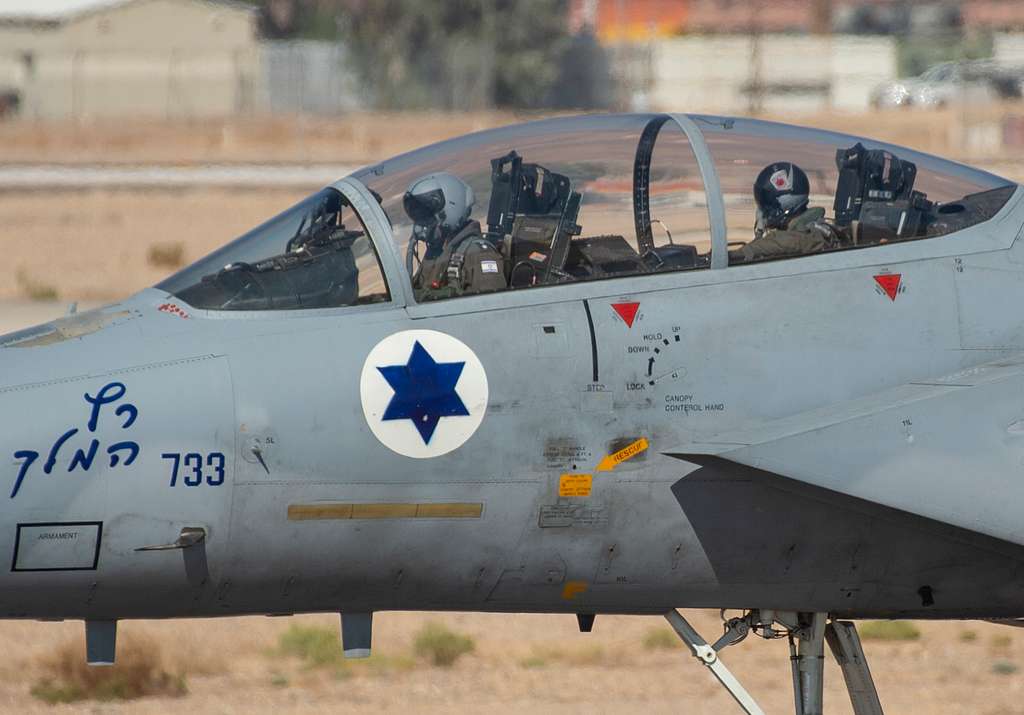
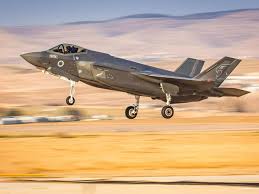
 | Israel | IDF / IAF | Primary defender | Arrow-2, Arrow-3, David's Sling, Iron Dome, Iron Beam (testing). IAF interceptor jets (F-35I, F-15I). | Israeli airspace and territory |
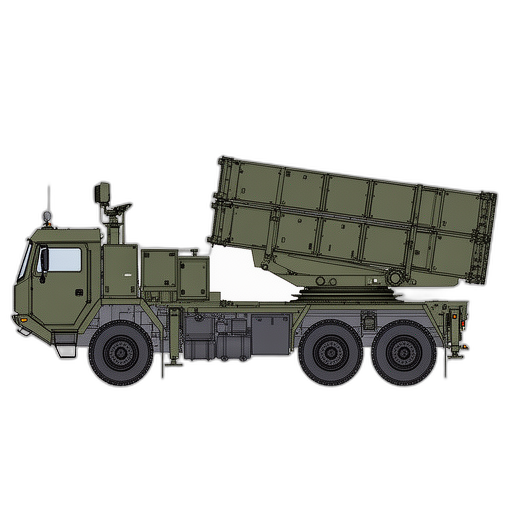
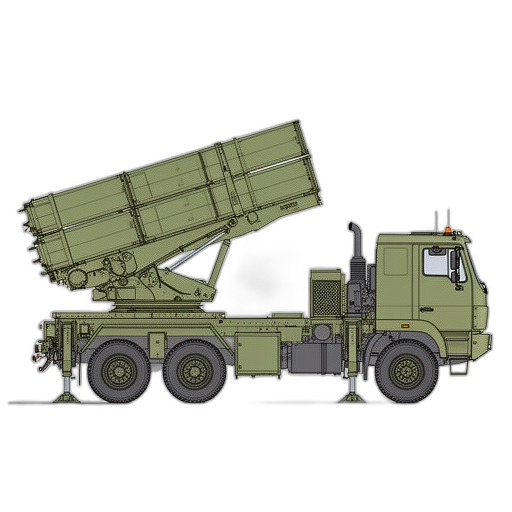
 | United States | US Army (CENTCOM) | Ground-based BMD | THAAD battery (deployed to Israel). Patriot PAC-3 MSE batteries across Gulf states and Jordan. | Israel, Jordan, Gulf states |
| US Navy (Fifth Fleet) | Sea-based BMD | Aegis BMD (SM-3 / SM-6). Arleigh Burke destroyers and Ticonderoga cruisers providing mid-course and terminal intercept. | Persian Gulf, Red Sea, Eastern Mediterranean, Arabian Sea | ||
| US Air Force | Air superiority, ISR | F-35A, F-22 Raptor, F-15E. KC-135/KC-46 tankers. RC-135, E-3 AWACS, RQ-4 Global Hawk ISR platforms. | Gulf states, Eastern Mediterranean, Iraq, Jordan | ||
| US Space Force / NRO | Early warning, tracking | SBIRS (Space Based Infrared System) satellite constellation for launch detection. Ground-based AN/TPY-2 radar (forward-deployed). | Global coverage; AN/TPY-2 in Israel and Gulf |
Several other nations contribute to the coalition through airspace denial, interception of transit munitions, and forward basing. Jordan's role is particularly significant: its airspace is the primary transit corridor for Iranian drones and cruise missiles targeting Israel.
| Country | Branch | Role | Key Systems / Contributions | Area of Operations | |
|---|---|---|---|---|---|
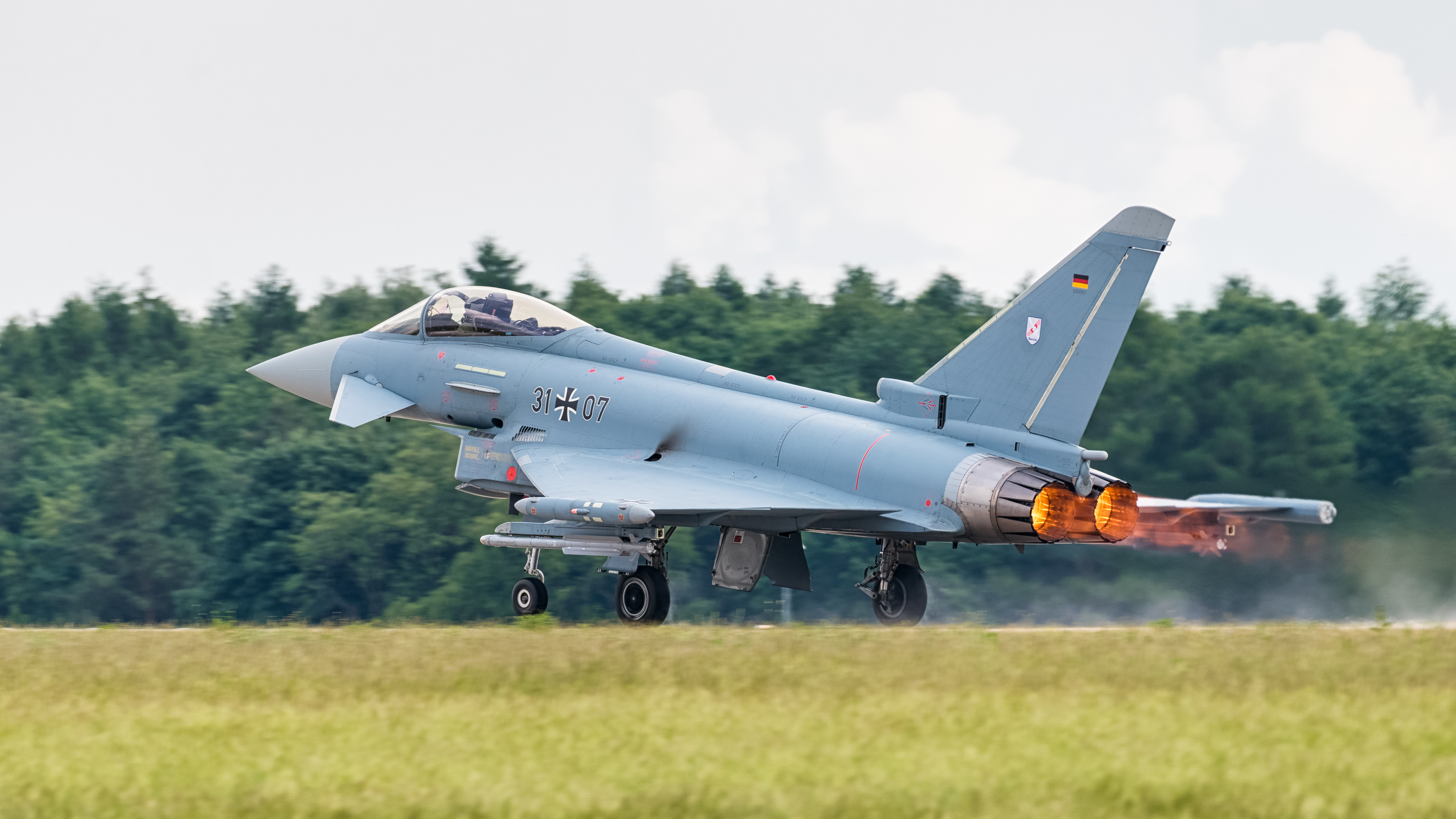
 | United Kingdom | Royal Air Force | Interception support | Typhoon FGR4 jets. RAF Akrotiri (Cyprus) forward base. Airborne refuelling. | Eastern Mediterranean, Jordanian airspace, Iraqi airspace |
 | France | Armee de l'Air / Marine Nationale | Interception support | Rafale jets, FREMM frigates with Aster-30 SAMs in Eastern Mediterranean. | Eastern Mediterranean, Jordanian airspace |
 | Jordan | Royal Jordanian Air Force | Airspace defence, transit interdiction | F-16 interceptors, ground-based air defence. Interdicted overflying drones and cruise missiles across Jordanian airspace. | Jordanian airspace (primary transit corridor for Iranian munitions) |
 | Saudi Arabia | Royal Saudi Air Defence | Passive defence, airspace denial | Patriot PAC-2/3 systems, radar tracking. Airspace closure to Iranian overflights. | Saudi airspace |
 | UAE | UAE Air Force & Air Defence | Active defence (from TP4) | THAAD, Patriot. Defended own territory against Round 4 strikes targeting Al Dhafra and other facilities. | UAE territory, Persian Gulf |
Patriot PAC-3 MSE
- Role Medium-range air and missile defence
- Range ~30–160 km
- Altitude ~24 km
- Targets TBMs, cruise missiles, aircraft
- Kill mechanism Hit-to-kill (PAC-3 MSE)
- Deployment Multiple Gulf bases, Jordan
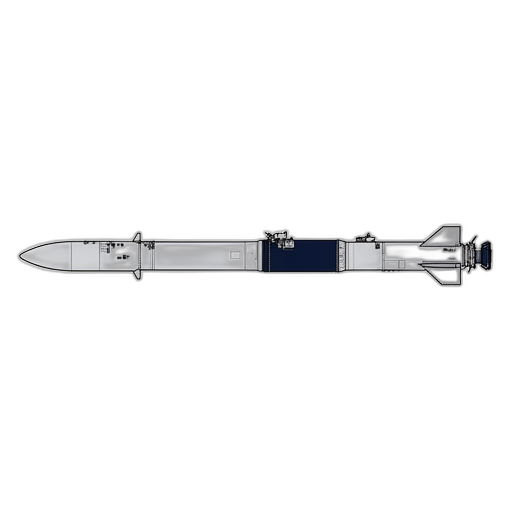
Aegis BMD (SM-3 / SM-6)
- SM-3 range 500+ km (exo-atmospheric mid-course)
- SM-6 range ~240 km (endo-atmospheric terminal)
- Platform Arleigh Burke destroyers, Ticonderoga cruisers
- Kill mechanism Hit-to-kill (SM-3); blast-frag + hit-to-kill (SM-6)
- Deployment Eastern Mediterranean, Arabian Sea
Integrated Ballistic Missile Defence Network
The coalition does not operate as separate national defence architectures — it shares radar tracks and engagement data across platforms. The AN/TPY-2 radar (THAAD) and the Green Pine radar (Arrow-2/3) feed into Link 16 and other data networks, creating a common air picture. Aegis ships provide forward sensor coverage far beyond the horizon, enabling early detection of launches from western Iran. This integrated picture enables shoot-look-shoot tactics: multiple defence layers can engage the same target sequentially, with each layer able to confirm whether a prior intercept was successful before firing. The coordination of this network across US, Israeli, Jordanian, British, and French assets in real time represents one of the most complex air defence integration efforts ever undertaken.
Click any system for full specifications, photos, and sources.
AI-generated content for informational purposes only. Data should be independently verified against primary sources.