Khorramshahr-4
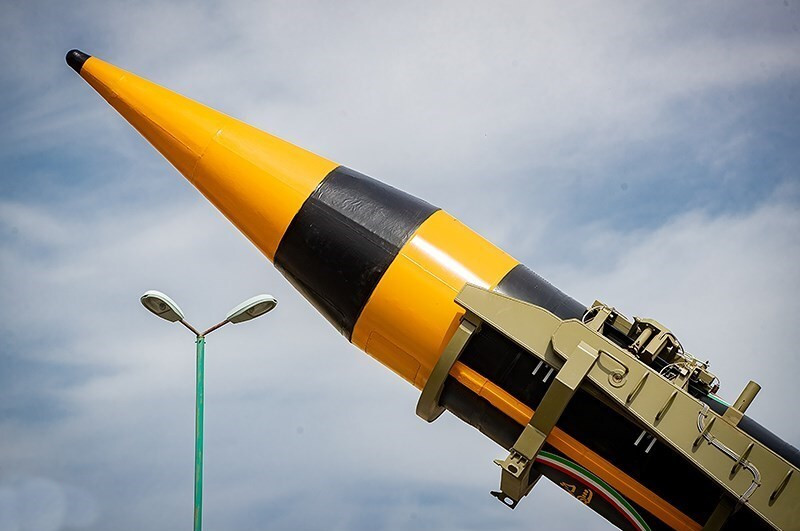
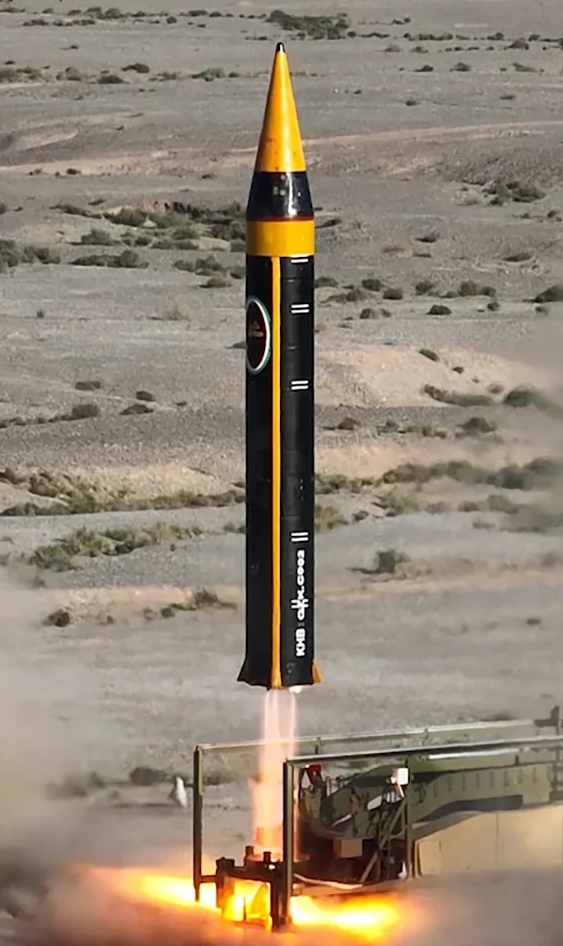
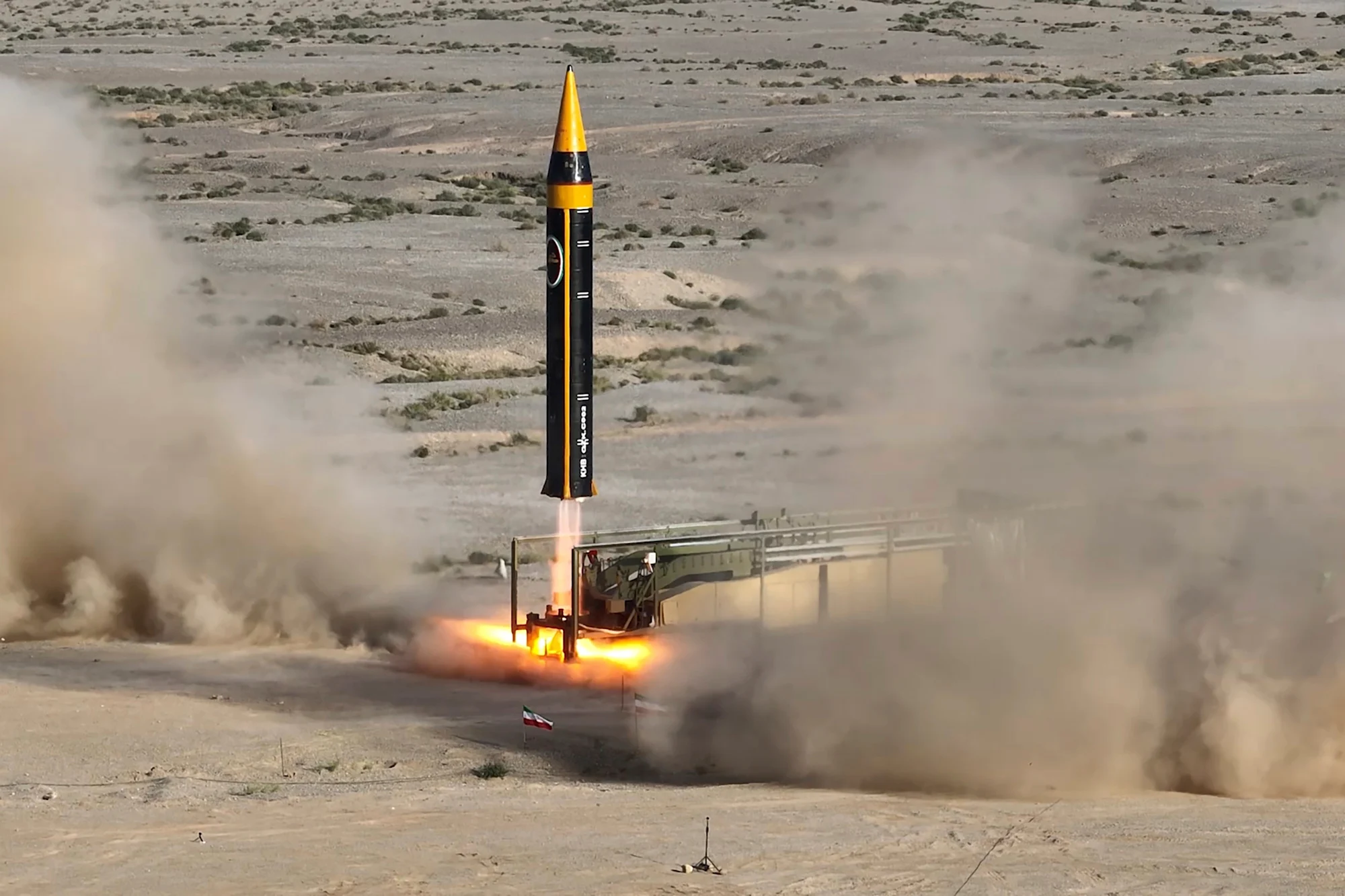
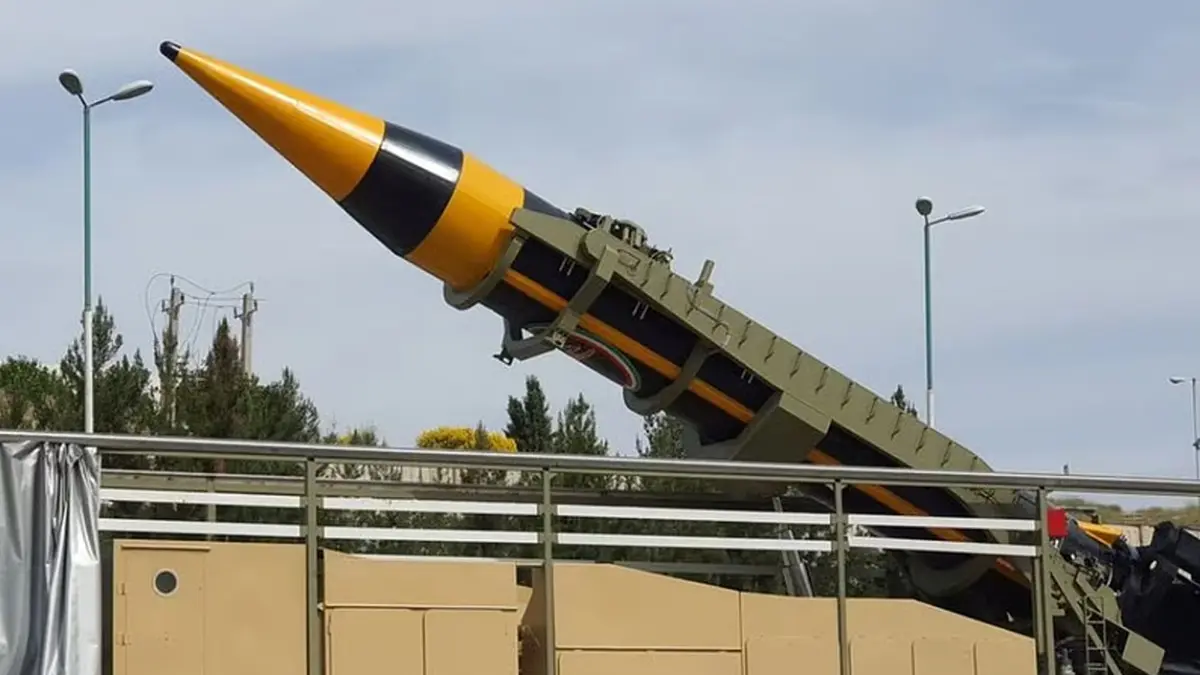
Iran's heaviest-warhead MRBM: a 1-ton payload liquid-fuel missile derived from the Shahab-3/BM-25 lineage, claimed MIRV-capable by the IRGC.
Reference data current as of March 2026.
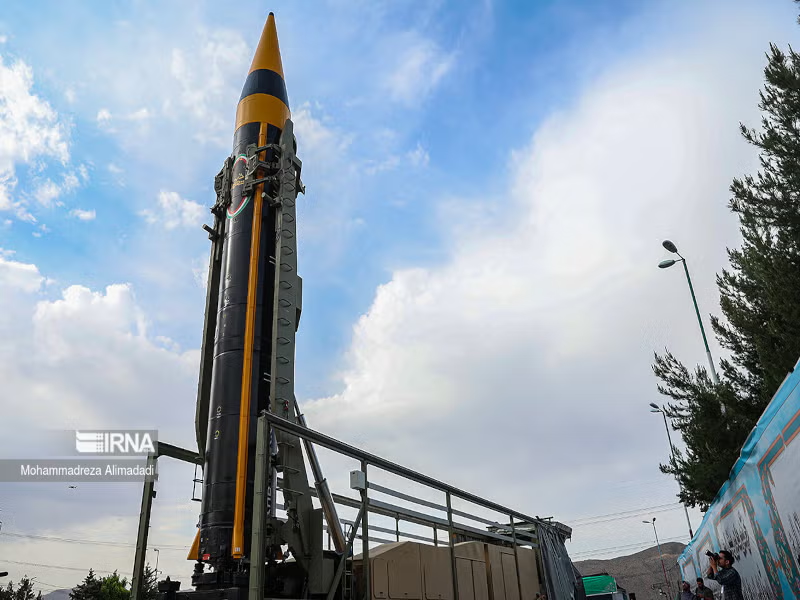
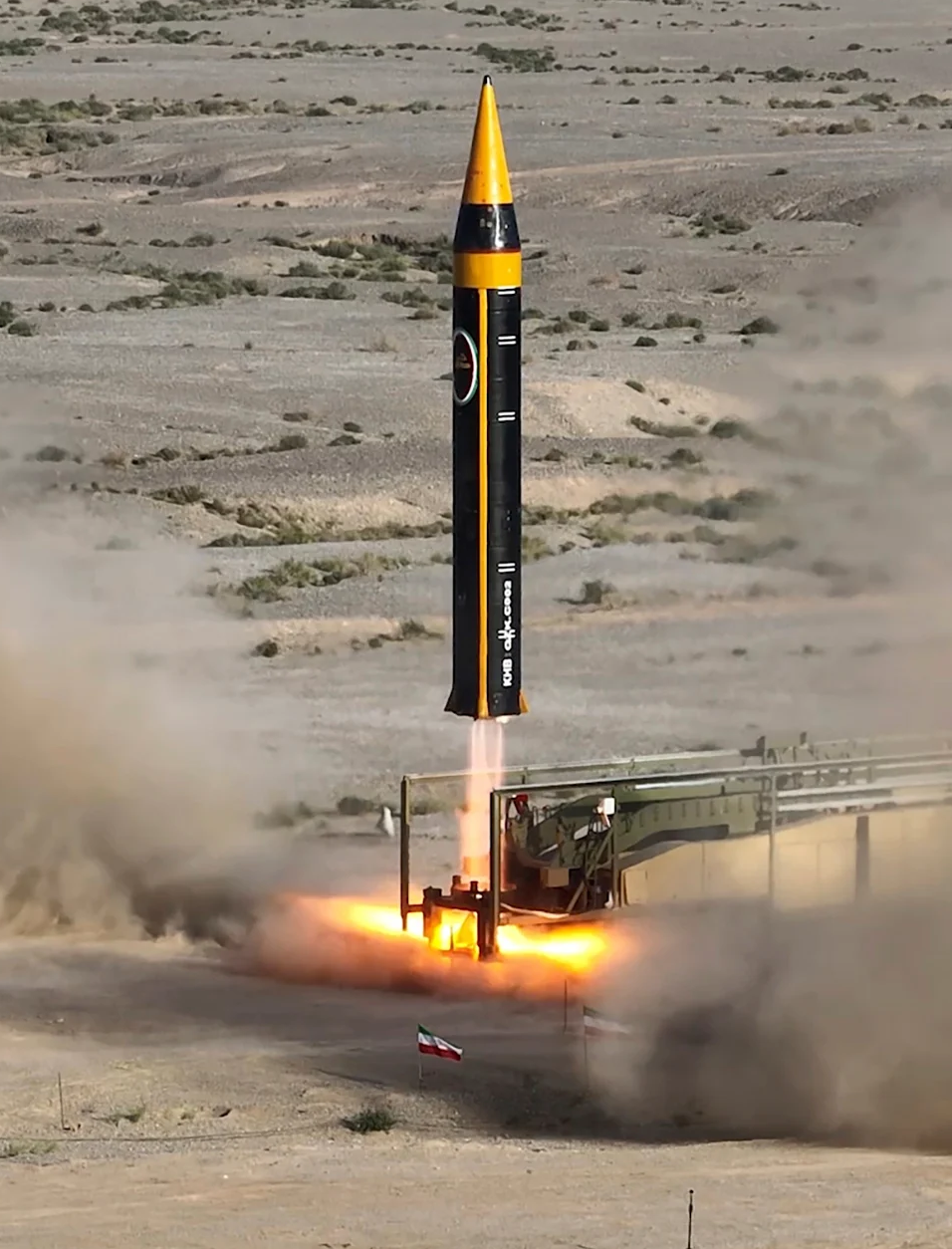
The Khorramshahr-4 carries the heaviest warhead in Iran's MRBM inventory — a full 1,000 kg payload — combined with a 2,000 km range that places the entirety of Israel and US bases across the Gulf well within reach. It is a fourth-generation evolution of the Khorramshahr family, which traces its lineage through the Shahab-3 to BM-25 Musudan technology. The IRGC has claimed it is MIRV-capable (multiple independently targetable reentry vehicles), though this claim has not been independently verified. As a liquid-fuel system, it requires extended fuelling time before launch, making it more vulnerable to pre-emptive strike than Iran's solid-fuel alternatives.
- Heaviest warhead (1 ton) in the Iranian MRBM inventory
- MIRV-capable — claimed by IRGC as 4th-generation capability, unverified by Western analysts
- Longest-range liquid-fuel MRBM in active Iranian service (2,000 km)
- Shahab-3/BM-25 Musudan lineage with MaRV terminal corrections
- GNSS-aided INS for midcourse correction
The Khorramshahr-4 saw its first confirmed combat use on 5 March 2026 during True Promise 4 (Wave 19). Its deployment represented a significant escalation — the 1-ton warhead is designed for maximum destructive effect against hardened targets. The decision to employ Khorramshahr-4 in TP4 signalled Iran's willingness to bring its heaviest conventional weapons into the conflict.
.jpg)
.jpg)
AI-generated content for informational purposes only. Data should be independently verified against primary sources.